


Find Your Nearest Foodbank...
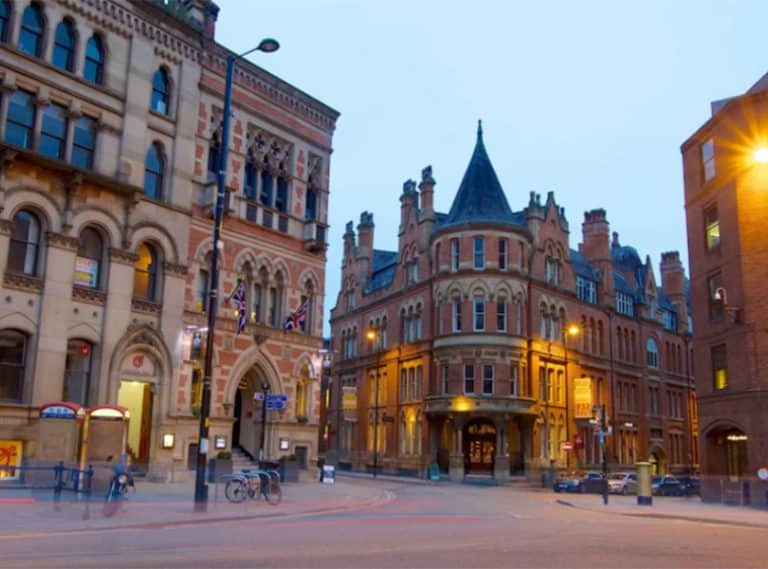
Food Banks in Manchester – A Lifeline For Communities
Manchester has one of the highest rates of food poverty in the UK, with thousands of families relying on food banks each month. Food banks in Manchester provide a vital safety net for people struggling with low incomes, job insecurity, and rising living costs. The demand for emergency food support has surged in recent years, with organisations across the city stepping up to meet this growing need.
Lets get into why food banks are needed in Manchester, how they operate, and the unique challenges they face in the city. We also highlight who uses them, how they are supported, and what can be done to tackle food insecurity in Manchester.
Why Are Food Banks Needed in Manchester?
Manchester has a long history of economic highs and lows. Once a powerhouse of the industrial revolution, the city has faced significant economic challenges in recent decades. While investment in areas like Ancoats and Salford Quays has revitalised parts of the city, many neighbourhoods continue to struggle with high levels of poverty and unemployment.
Key Factors Driving Food Bank Use in Manchester:
- Low Incomes and Insecure Work
- Many residents work in low-paid sectors such as hospitality, retail, and social care, where wages often fail to keep up with inflation.
- The rise of zero-hours contracts jobs has left many workers without financial stability.
- High Levels of Benefit Dependency
- Manchester has a higher-than-average number of households relying on Universal Credit and other benefits.
- Benefit delays and sanctions frequently push people into food insecurity, forcing them to seek emergency support.
- Cost of Living Crisis
- Energy bills, rent, and food prices have risen sharply, making it harder for families to make ends meet.
- Inflation has hit essential goods the hardest, increasing demand for food banks in deprived areas.
- Long-Term Deprivation
- Areas such as Harpurhey, Moston, and Wythenshawe have some of the highest poverty rates in the country, with families struggling to break the cycle of food insecurity.
- Homelessness and Housing Insecurity
- Manchester has one of the highest homelessness rates outside of London, with food banks providing essential support to those in temporary accommodation or rough sleeping.
- Austerity and Public Service Cuts
- Local authority funding cuts have reduced access to support services, leaving food banks to fill the gap.
- Youth services, mental health support, and community centres have been scaled back, increasing reliance on charitable food aid.
- Limited Access to Affordable Food
- Some areas of Manchester, particularly in North and East Manchester, are classified as “food deserts” where access to affordable supermarkets is limited.
- This forces residents to rely on convenience stores with higher prices, increasing food insecurity.
How Do Food Banks in Manchester Operate?
Food banks in Manchester operate through a network of charities, churches, mosques, and community groups. Many are affiliated with national organisations such as the Trussell Trust, while others run independently.
Key Food Bank Organisations in Manchester:
- Manchester Central Foodbank – A Trussell Trust-affiliated bank providing emergency food parcels to those in need.
- Mustard Tree – Offers food support alongside employment training and housing advice for people experiencing poverty.
- The Booth Centre – Specialises in supporting homeless individuals with food, advice, and social inclusion programmes.
- Salford Food Parcels – Helps residents in Salford and surrounding areas with emergency food packages.
- The Bread and Butter Thing – A membership-based food project offering low-cost, surplus food to families across Greater Manchester.
- Local faith groups – Churches, mosques, and synagogues play a key role in running community food aid programmes in neighbourhoods such as Cheetham Hill and Longsight.
How Food Banks in Manchester Source Food:
- Supermarket Partnerships – Large chains like Tesco, Asda, and Aldi donate surplus stock and run in-store food collection points.
- Football Club Initiatives – Manchester United and Manchester City fans regularly donate food through matchday collection drives.
- University Contributions – The University of Manchester and Manchester Metropolitan University organise food donation campaigns for students and the wider community.
- Independent Businesses – Restaurants, cafés, and food wholesalers donate unsold goods to help tackle food waste and hunger.
Food Bank Distribution Methods:
- Voucher-Based Collection – Most food banks require a referral from Citizens Advice, housing officers, or GP surgeries.
- Walk-In Centres – Some food banks allow direct access, particularly for people experiencing homelessness.
- Mobile Food Banks – Vans deliver food to isolated communities in areas such as Wythenshawe and Tameside.
- Community Pantries – Some organisations, like The Bread and Butter Thing, provide affordable groceries rather than free emergency food.
Who Uses Food Banks in Manchester?
Food bank use in Manchester spans a wide range of groups, reflecting the city’s diverse population:
- Low-Income Working Families – Many parents struggle to cover food costs due to low wages and rising childcare expenses.
- Single Adults on Benefits – People relying on Universal Credit or disability benefits often face food insecurity, particularly when benefits are delayed.
- Homeless and Vulnerable Individuals – Rough sleepers and those in temporary accommodation sometimes rely on food banks for survival.
- Students and Young People – Many students in Manchester face financial hardship, particularly those from low-income backgrounds or international students without family support.
- Elderly Residents – Many older people struggle to afford food after covering heating and medical costs, leading to an increase in pensioner food bank use.
- Refugees and Asylum Seekers – Many migrants in Manchester face restrictions on accessing financial support, making food banks a crucial resource.
Challenges Facing Food Banks in Manchester
Food banks in Manchester face several key challenges that make it difficult to meet demand:
- Rising Demand – The number of food bank users continues to grow, stretching resources to their limits.
- Shortages of Essential Supplies – Food banks often run low on key items like baby formula, toiletries, and fresh produce.
- Volunteer Shortages – Many food banks struggle to recruit enough volunteers to manage operations.
- Logistical Barriers – Some areas have limited transport links, making it hard for people to access food banks.
How to Support Food Banks in Manchester
- Donate Essential Items – Non-perishable foods, toiletries, and baby supplies are always in demand.
- Volunteer Your Time – Many food banks rely on volunteers to sort and distribute food.
- Support Supermarket Food Drives – Next time you shop, consider donating at an in-store collection point.
- Encourage Local Businesses to Help – Ask employers and community groups to run food drives or fundraising events.
- Advocate for Change – Support campaigns for better social security and fair wages to reduce food bank reliance.
The Future of Food Banks in Manchester
Food banks in Manchester remain a crucial safety net for thousands of residents, but they are not a long-term solution. Tackling food poverty requires systemic changes, including fairer wages, better welfare support, and improved access to affordable housing and public services.
By continuing to support food banks through donations, volunteering, and advocacy, we can ensure that everyone in Manchester has access to the food they need while working towards a future where food banks are no longer a necessity.


