

Free to use thanks to our supporters
Find a food bank near me...
foodbanks.co.uk is a free directory of food banks, pantries and community larders across the UK.
Use the search to find your nearest Foodbank
Welcome to FoodBanks.co.uk
We understand that times are tough, and putting food on the table isn’t always easy. So we created this site to give you simple, clear answers to the most common questions you have about food banks in the UK, including how they work, and how they can help you and your family in your time of need.
Whether you’re looking for advice, practical tips, or just a bit of reassurance, we’re here for you every step of the way.
In addition, we're dedicated to helping people across the UK find their local food bank support quickly and easily by providing an independent, comprehensive, up-to-date directory of local food banks.
Our aim is to ensure everyone in the UK can find the food bank information they need when they need it most.
Local food banks...
Browse all food banks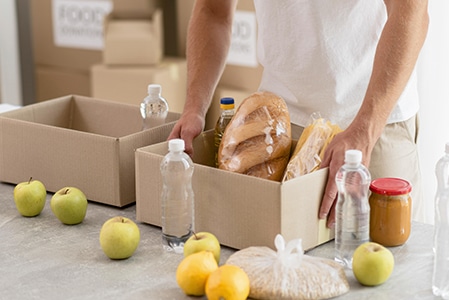
Edinburgh NE Food Bank (Henderson Street)
6 Henderson Street, Leith, Edinburgh, EH6 6BS
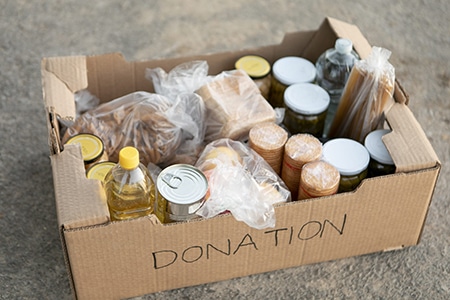
Barking Food Bank (Elim Christian Centre)
Elim Christian Centre, 93 Axe Street, Barking, IG11 7LZ
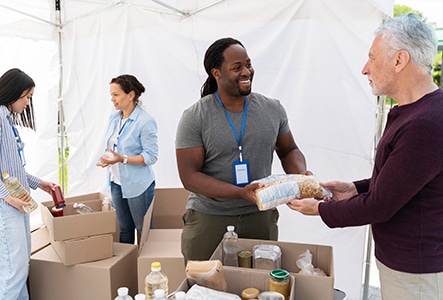
Ely Food Bank (St Andrews Church)
St Andrews Church, Fountain Lane, Soham, CB7 5ED
Durham Food Bank (Glenroyd House)
Glenroyd House, Medomsley Road, Consett, DH8 5HL
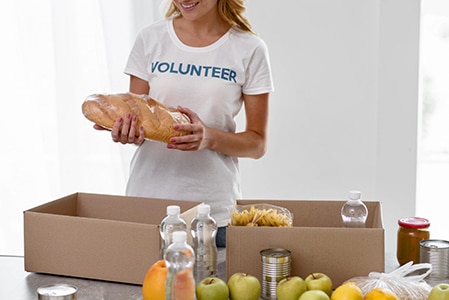
Flintshire Food Bank (Tabernacle Street)
Tabernacle Street, Buckley, CH7 2JT
Rugby Food Bank
c/o Hope4, 8 Newbold Road, Rugby, CV21 2LJ
West Cheshire Food Bank (Whitby Road)
Whitby Road, Ellesmere Port, CH65 6RS

Salvation Army Food Bank (Trimdon Avenue)
82 Trimdon Avenue , Middlesbrough , TS5 8SB
North Lakes Food Bank (Cornerstone Methodist Church)
Cornerstone Methodist Church, 50 High Street, Wigton, CA7 9PG
Find Food banks by county
See all UK counties 214
214 107
107 90
90 73
73 72
72 72
72 71
71 66
66 66
66 59
59 55
55 54
54Food bank frequently asked questions
Browse all frequently asked questions
Help Besides a Food Bank: The Crisis and Resilience Fund and Other Emergency Grants
A food bank can cover you for a few days at a time, but it’s rarely the only help worth looking into if you’re facing a financial crisis. Alongside food banks,…
What Happens When You Visit a Food Bank for the First Time
Going to a food bank for the first time can feel daunting, especially if you're not sure what to expect. The good news is that the process is usually quick, str…
How to Get a Food Bank Voucher or Referral in the UK
Not sure how to get a food bank voucher in the UK? Here's who can refer you, how many visits it covers, and what to do if you can't get one. Most food banks in…
Universal Credit and Food Banks: Help While You Wait for Your First Payment
If you've just made a claim for Universal Credit, your first payment can take around five weeks to arrive. For anyone with little or no savings, that gap is one…
Can Food Banks Help With School Holiday Hunger? A Parent's Guide
Can Food Banks Help With School Holiday Hunger? A Parent’s Guide School holidays should be a time of joy and relaxation for children. However, for many families…
Can You Get Free Food Parcels Delivered To Your Door?
Can you get free food parcels delivered to your door? When times are tough, many people look for extra support to get by. One common question that comes up is c…
Food bank insights and news
Browse all food bank insights articles
Food Banks and Debt Advice: Getting Free Financial Counseling When You're Struggling
Food Banks and Debt Advice: Getting Free Financial Counseling When You’re Struggling In recent years, have expanded their services beyond emergency food provisi…
Mental Health Support at UK Food Banks: Beyond Emergency Food
Mental Health Support at : Beyond Emergency Food In recent years, have evolved from simply providing emergency food parcels to offering a range of support servi…
When did food banks start in UK?
Food banks play a vital role in helping people through difficult times across Britain, but understanding their history can shed light on why they remain so esse…
April’s bill hikes set to drive more people into poverty, homelessness and food bank reliance
Cost of living surge leaves vulnerable households reeling As a surge of price increases hits UK households this April, frontline charities warn that more people…
Food Banks in Leeds – Supporting Communities Through Hardship
Food Banks in Leeds – Supporting Communities Through Hardship Leeds is a vibrant and diverse city, known for its rich industrial history and strong Yorkshire id…
Why Is Food Expensive In The UK?
Rising living costs are affecting us all, but one question remains especially worrying for many - why is food so expensive in the UK? From local supermarkets to…
Be the reason someone finds a meal tonight
Every day, people across the UK reach a moment they never imagined, choosing between heating, rent and food. For many, this directory is the first step towards a warm meal, a listening ear and a way forward. We keep it free, accurate and easy to use because nobody should face that search alone.
Local and national businesses can stand alongside us. Your support helps maintain this lifeline, protect the data and reach more families when they need it most.
Partner with foodbanks.co.uk
Businesses who choose to stand with us do it quietly and for the right reasons, because families in their community are struggling, and helping them find food should never be hard. It is a simple, genuine way to live out your commitment to the communities you are part of.
Become a supporterMeet our supporters