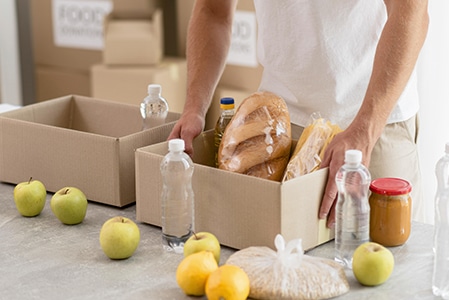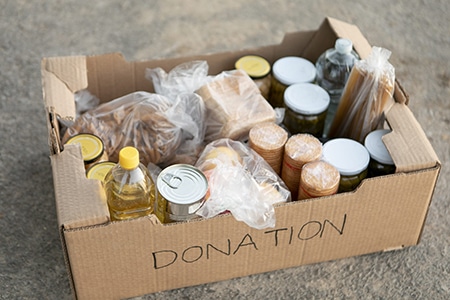
In recent years, foodbanks have become a vital safety net for countless individuals and families facing food insecurity in the UK. However, the question 'Are foodbanks struggling to keep up with demand?', is one that highlights the growing challenges these essential services face. Rising living costs, economic uncertainty, and an increasing reliance on foodbanks have created significant pressure, leaving many to question whether they can continue to meet the needs of their communities effectively.
The Rising Demand for Foodbanks
The demand for foodbanks has surged in recent years due to a combination of factors. The ongoing cost-of-living crisis, driven by inflation and stagnant wages, has left many households unable to afford basic necessities. Foodbanks in the UK distributed a record high amount of emergency food parcels compared to previous years. This growing reliance highlights a deeper, systemic issue of poverty and inequality that stretches beyond short-term economic fluctuations.
Many people turning to foodbanks are employed but still unable to make ends meet due to low wages, insecure work, and rising costs for essentials such as housing, energy, and food. In addition, the end of pandemic-related financial support measures, has exacerbated financial hardships for many families.
Challenges Faced by Foodbanks
Foodbanks are struggling to keep up with demand for several reasons:
- Depleting Donations
Historically, foodbanks have relied on donations from the public, supermarkets, and local businesses. However, as the cost-of-living crisis affects more people, donations have declined. Households that previously contributed are now finding themselves in need of support, reducing the pool of available resources. - Rising Operational Costs
Foodbanks face rising costs themselves. Utility bills, transport for delivering food, and storage facilities all require funding. With fewer financial donations coming in, many foodbanks are forced to make difficult choices about how to allocate their resources. - Limited Volunteer Availability
Foodbanks depend heavily on volunteers to run efficiently. However, the growing scale of operations requires more hands on deck, and many foodbanks are struggling to recruit and retain enough volunteers to manage the workload. - Insufficient Supplies
As demand outstrips supply, foodbanks frequently report shortages of essential items such as tinned food, pasta, and toiletries. This means they are often unable to provide families with the full range of items they need, adding to the stress of those relying on their services. - Increased Pressure on Smaller Foodbanks
While larger organisations like the Trussell Trust have some resources to fall back on, smaller independent foodbanks face the brunt of the crisis. These local initiatives often operate with minimal funding and are now overwhelmed by the growing number of people seeking help.
The Impact of Strained Foodbanks on Communities
When foodbanks struggle to keep up with demand, the effects ripple through the community. Families may go without enough food or rely on less nutritious options, leading to health and well-being challenges. Children, in particular, are at risk of developmental and educational setbacks due to hunger.
Efforts to Address the Crisis
Despite these challenges, foodbanks and their supporters are taking steps to address the crisis and improve their capacity to serve those in need:
- Community Partnerships
Many foodbanks are partnering with local charities, schools, and businesses to pool resources and expand their reach. Collaborative efforts help alleviate pressure by sharing the responsibility of meeting demand. - Innovative Funding Campaigns
Foodbanks have turned to crowdfunding, grant applications, and corporate sponsorships to secure additional funding. Some have also begun working with councils to secure public funding for their operations. - Expanding Services
To address the broader needs of those they serve, some foodbanks are expanding their services to include financial advice, cooking classes, and job support. These initiatives aim to provide a more holistic approach to tackling food insecurity. - Advocacy and Policy Change
Foodbank organisations continue to advocate for systemic changes, such as increasing benefits and tackling low wages, to reduce the need for foodbanks in the first place. While these efforts are long-term, they are essential for addressing the root causes of food insecurity.
The Role of the Public
The public plays a crucial role in helping foodbanks keep up with demand. Donations of non-perishable food items, toiletries, and money remain vital, as does volunteering time to assist with operations. Raising awareness about the work foodbanks do and the challenges they face can also inspire more people to support these vital services.
Do Foodbanks Struggle to Keep Up with Demand?
Are foodbanks struggling to keep up with demand? The evidence points to an undeniable strain on these essential services as they face growing challenges from rising demand and diminishing resources. While foodbanks continue to provide a lifeline to millions of people, their ability to do so is increasingly at risk. Addressing this crisis requires a collective effort from communities, governments, and organisations to ensure that no one has to go hungry in the UK.
Did you have another question about food banks? See all our FAQs.
More food bank insights and news


Food bank frequently asked questions
Local food banks...
A few of the local food banks listed on foodbanks.co.uk. Browse all food banks