
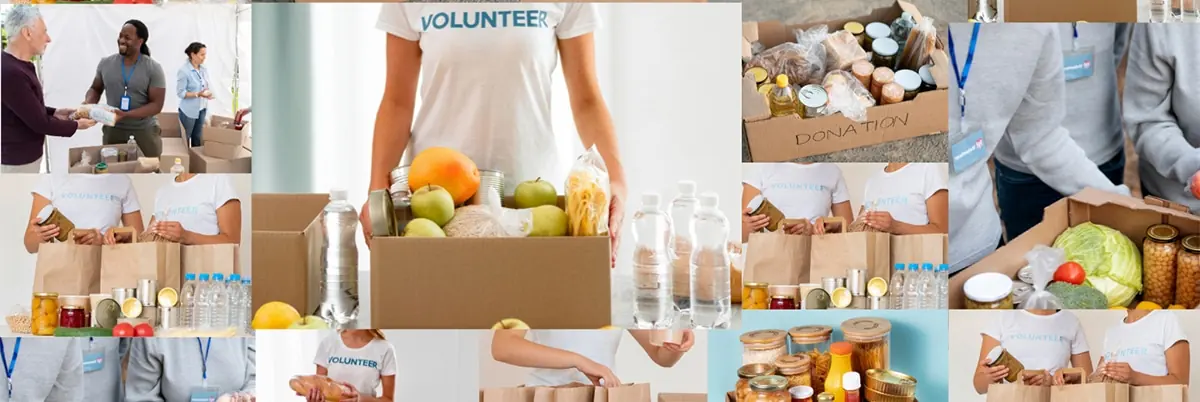
Many people wonder, can I use a foodbank if I’m not on benefits? You maybe be surprised to learn that while most people referred to food banks are on some form of benefits, being on benefits is not a strict requirement for accessing emergency food aid in the UK. Food banks aim to help anyone in crisis, regardless of their specific financial situation. Here's what you need to know about accessing food banks without being on benefits.
Understanding Food Bank Referrals
Most food banks require a referral before you can access their services. A referral typically comes from a professional, such as:
- Citizens Advice
- Social workers
- GPs or health visitors
- Jobcentre Plus
- Housing associations
These referral partners assess your need and provide you with a voucher for emergency food. You don’t need to be receiving benefits to get a referral; instead, they focus on whether you are currently facing food insecurity or a financial crisis.
Reasons for Referral Beyond Benefits
Referrals can be given for several reasons that don’t depend on receiving benefits. Common reasons include:
- A sudden loss of income: This could result from job loss, reduced working hours, or unexpected financial emergencies.
- Debt or rent arrears: Struggling with debt payments, rent, or mortgage payments may leave little for essentials like food.
- Health-related issues: Chronic illness or unexpected medical expenses can lead to financial hardship.
- Family breakdowns or domestic issues: Changes in household circumstances, such as separation, domestic abuse, or caring responsibilities, can impact financial stability.
- Cost of living crisis: Even those employed may struggle with day-to-day expenses due to rising utility bills, food prices, and housing costs.
How to Get Referred Without Benefits
If you’re not on benefits but need help, here’s what you can do to access a food bank:
- Contact Citizens Advice: They can assess your situation and issue a food bank referral if you qualify.
- Visit your local council’s website: Many councils have information on local food aid providers and how to access them.
- Speak to your child’s school or GP: Schools and health professionals are often aware of local food banks and can help you get referred.
- Reach out to local charities or churches: Many charities work closely with food banks and can provide referrals.
Independent Food Banks: Direct Access
Some independent food banks may not require a referral. The Independent Food Aid Network (IFAN) represents over 1,000 independent food banks, many of which offer more flexible access. These food banks might allow walk-ins, though it’s still a good idea to check in advance.
Social Supermarkets and Community Food Projects
If you’re not eligible for food bank support or prefer a more sustainable solution, you can consider alternatives such as:
- Social supermarkets: These provide food at reduced prices and are open to anyone facing financial difficulties. They often stock surplus food from retailers that would otherwise go to waste.
- Community kitchens and meal providers: Places like FoodCycle serve free or low-cost meals to those in need. You don’t need to be on benefits to access these services.
What to Expect When Visiting a Food Bank
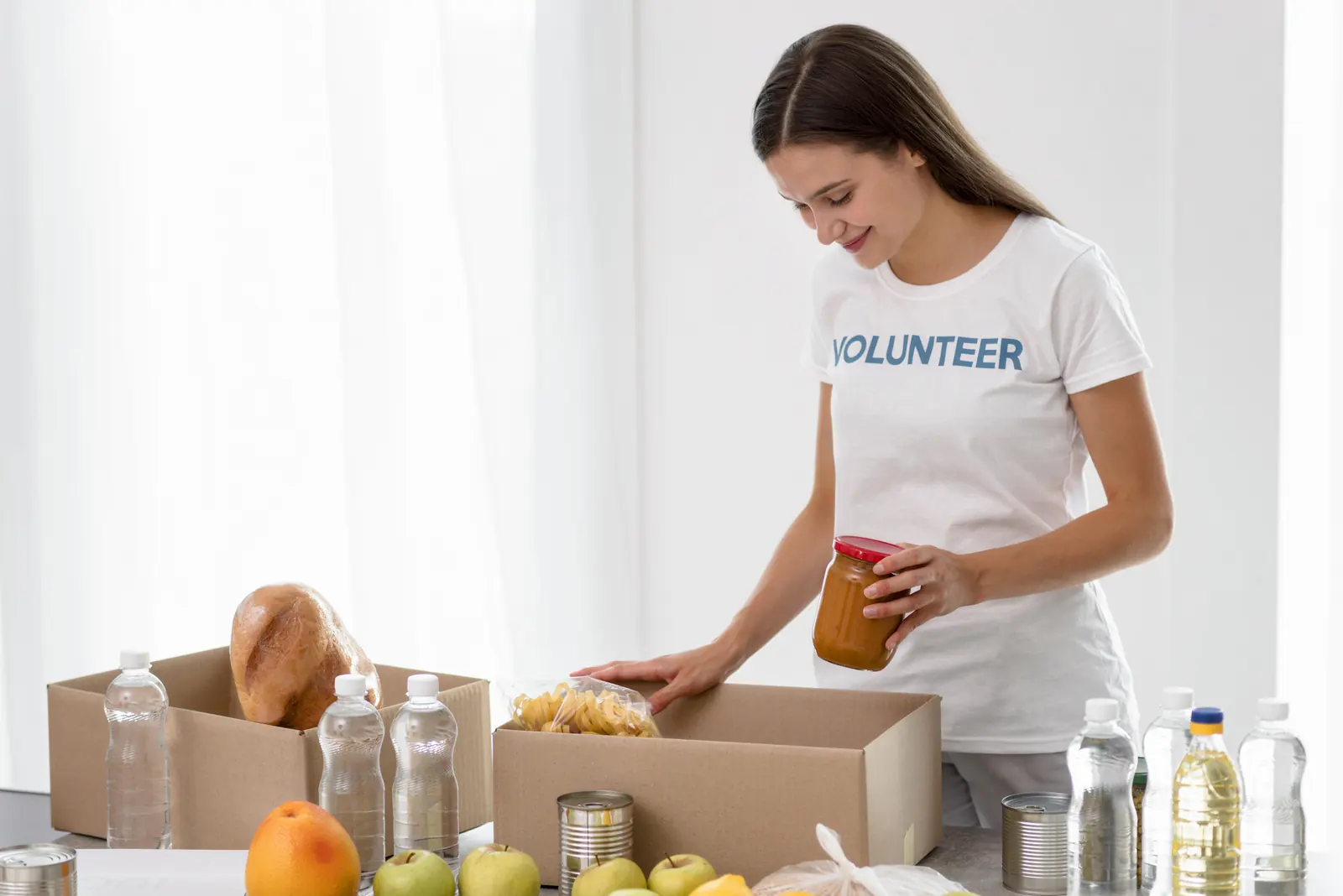
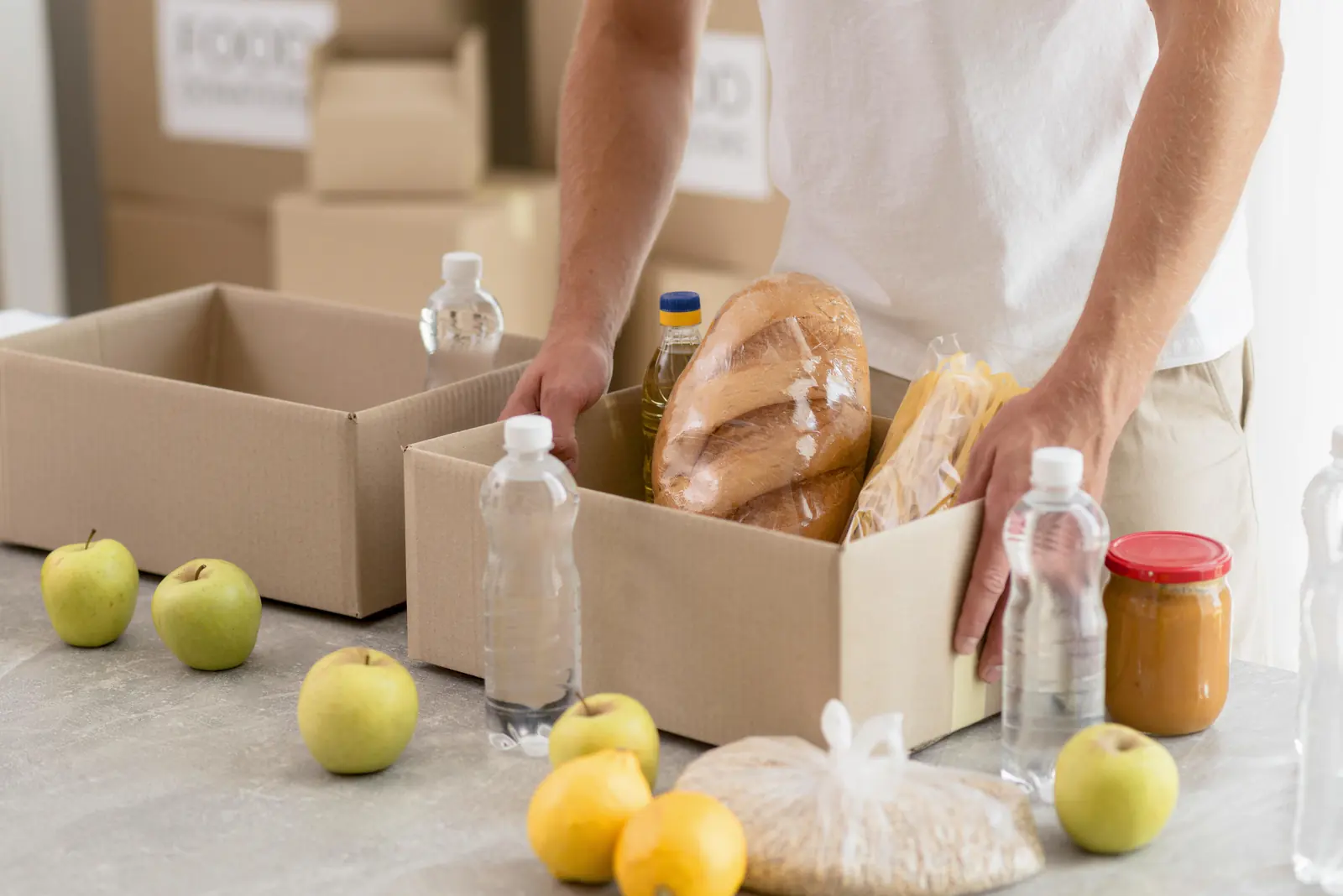
When you visit a food bank, you’ll typically receive a food parcel designed to last for three days, though this can vary by location. The contents often include a mix of:
- Tinned and dried foods (e.g., pasta, rice, soup, and beans)
- Long-life milk and juices
- Fresh produce (at some locations)
- Toiletries and hygiene products (if available)
Destigmatising Food Bank Use
There’s often a misconception that food banks are only for the unemployed or those on benefits. However, as the rising cost of living has shown, many working families and individuals who don’t qualify for benefits are struggling to make ends meet. Nearly 98% of food banks surveyed by IFAN in 2024 reported helping people who were accessing their services for the first time, reflecting the expanding need for food aid beyond traditional beneficiaries.
If you’re worried about stigma, know that food banks operate with respect and confidentiality. Volunteers understand that anyone can face a financial crisis, and they aim to provide non-judgmental support.
Final Note: Don’t Hesitate to Seek Help
The main takeaway is that you don’t need to be on benefits to use a food bank. If you’re experiencing food insecurity, reach out to one of the many referral agencies or independent food aid providers in your area. Food banks are there to support anyone in crisis, and you shouldn’t feel hesitant about asking for help.
Will a foodbank help me if I’m not on benefits?
Yes, you can use a food bank even if you’re not receiving benefits. Referrals are based on need, not benefit status, and many independent food banks don’t require referrals at all. If you’re facing financial hardship, don’t hesitate to seek support from local food banks, community projects, or social supermarkets.
Did you have another question about food banks? See all our FAQs.
More food bank insights and news

Food bank frequently asked questions
Local food banks...
A few of the local food banks listed on foodbanks.co.uk. Browse all food banks
Black Country Food Bank (Halesowen Road)
Halesowen Road, Cradley Heath, B64 6JA
3food4u Food Bank (High Road Bruce Grove)
454A High Road Bruce Grove, London, N17 9JD

Sheffield S6 Food Bank (Shirecliffe Community Centre)
Shirecliffe Community Centre, 349 Shirecliffe Rd, Sheffield, S5 8XL