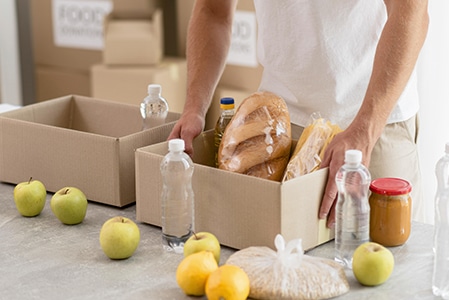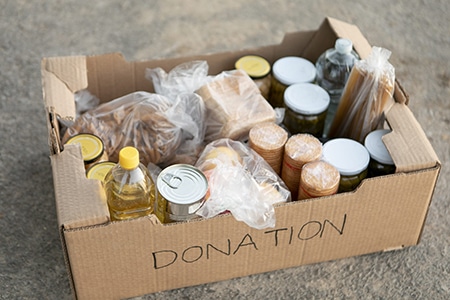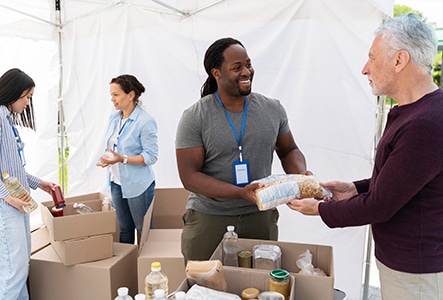
If you're in need of support or thinking about donating to a food bank, you might be wondering, how do food banks decide what food to give out? Food banks follow a structured approach to ensure they provide balanced, nutritious, and practical food parcels to those who need them most. The decisions on what to include are based on nutritional guidelines, donation availability, and the needs of the local community.
Nutritional Guidelines and Food Parcel Contents
Food banks aim to provide well-balanced food parcels that cover essential nutritional needs. Many follow guidelines set by organisations like The Trussell Trust, which work with nutritionists to ensure the food provided is both nourishing and suitable for a variety of dietary needs.
Key Considerations for Food Parcel Contents:
- Balanced Diet – Food parcels typically include a mix of carbohydrates, proteins, and essential vitamins.
- Non-Perishable Items – Since most food banks cannot store fresh items for long, tinned and dried foods are prioritised.
- Portion Control – Parcels are designed to last a certain number of days, usually three to five.
- Ease of Preparation – Food is chosen to ensure that people with limited cooking facilities can still prepare meals.
- Dietary Requirements – Some food banks offer tailored support for people with allergies, religious dietary needs, or medical conditions.
Typical Items in a Standard Food Parcel:
- Carbohydrates – Pasta, rice, cereal, tinned potatoes
- Proteins – Tinned meat, fish, lentils, beans, peanut butter
- Vegetables & Fruit – Tinned tomatoes, canned fruit, vegetables
- Dairy & Alternatives – UHT milk, powdered milk, dairy-free alternatives
- Extras – Tea, coffee, biscuits, snacks
Some food banks may also include toiletries, baby products, or pet food if available.
How Donations Influence What Is Given
Food banks rely heavily on public donations, which means the availability of certain foods can often change. While organisations try to maintain a balanced selection, the actual food provided is dictated by what has been donated.
How Food Banks Manage Donations:
- Sorting and Quality Checks – Volunteers check expiry dates and categorise donations.
- Addressing Shortages – If a food bank lacks certain essentials, they may put out public appeals.
- Bulk Purchases – Some food banks buy items in bulk to fill gaps in supply.
- Supermarket Partnerships – Many food banks work with supermarkets to receive surplus stock.
Referral System and Individual Needs
Most food banks operate on a referral basis, meaning that people must be referred by a professional (such as a doctor, social worker, or Citizens Advice) to access support. This helps ensure that food parcels meet individual needs.
Factors Considered for Tailored Support:
- Family Size – Larger families receive more food to match their needs.
- Dietary Restrictions – Food banks may provide halal, kosher, or gluten-free items when available.
- Cooking Facilities – Some recipients may have limited access to cooking facilities, so some food banks may provide ready-to-eat options.
Special Programmes and Seasonal Variations
Some food banks offer additional support during times of crisis, such as:
- Holiday Meal Support – Extra food for families during school holidays.
- Christmas and Winter Packages – Festive items and warm meals.
- Fresh Food Initiatives – Some food banks now include fresh fruit and vegetables when storage allows.
How do foodbanks plan which food to give out?
Food banks carefully plan what to include in food parcels based on nutritional needs, donation availability, and individual circumstances. While they prioritise balanced and easy-to-prepare meals, the actual contents depend on what is donated and the needs of the community. If you’re considering donating, it’s always best to check with your local food bank to see what they need most.
Did you have another question about food banks? See all our FAQs.
More food bank insights and news


Food bank frequently asked questions
Local food banks...
A few of the local food banks listed on foodbanks.co.uk. Browse all food banks