In times of economic difficulty, foodbanks play a crucial role in supporting families with children. 'How do foodbanks support families with children?', This question reflects a growing concern for households struggling to provide the basics. Foodbanks are more than just places to collect food; they serve as community hubs offering practical aid, emotional support, and tailored services that address the unique needs of families with children.
Food Parcels Tailored to Families with Children
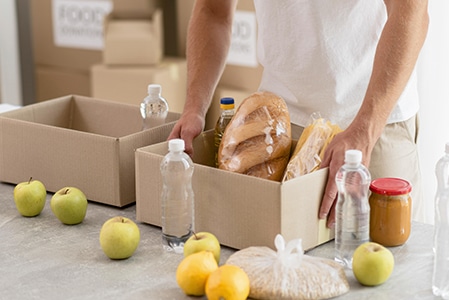
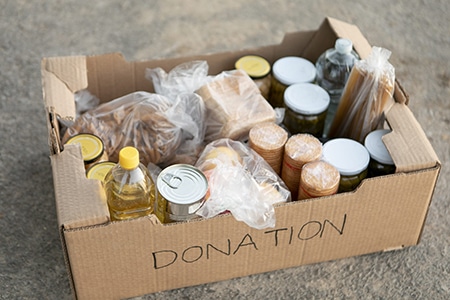
Foodbanks often provide emergency food parcels specifically designed to cater to the needs of families with children. These parcels typically include not only staple items like pasta, rice, and tinned goods but also child-friendly options such as baby formula, nappies, and school snacks. Some foodbanks collaborate with nutritionists to ensure parcels offer balanced meals for growing children, which is critical for their physical and cognitive development.
Addressing Child-Specific Needs
Foodbanks recognise that children’s needs go beyond food. Many provide additional items such as toiletries, clothing, and school supplies to ensure children have the essentials for hygiene and education. For babies, items like nappies, wipes, and baby food are included. These provisions are particularly important for families with limited access to other forms of social support.
During school holidays, foodbanks often experience increased demand as families lose access to free school meals. To address this, many organisations run "holiday hunger" schemes, offering additional food parcels or hosting community meal events to bridge the gap.
Partnerships with Schools and Organisations
Foodbanks frequently partner with schools and local organisations to reach children in need. Initiatives such as breakfast clubs and lunch schemes ensure that children receive at least one nutritious meal a day, even during term time.
Additionally, some foodbanks collaborate with local authorities to provide referrals for additional support services, such as counselling or benefits advice. These partnerships help families navigate complex systems while ensuring children’s basic needs are met.
Emotional and Social Support
For families with children, the emotional strain of food insecurity can be overwhelming. Foodbanks often serve as safe spaces where families can access not just food but also understanding and encouragement. Many foodbanks offer play areas or activities to engage children while parents seek assistance, helping to reduce the stress and stigma often associated with seeking help.
Education and Advocacy
Foodbanks also play a role in educating families about nutrition and budgeting. Workshops and resources are sometimes offered to help parents make the most of the food provided. Advocacy efforts by foodbanks aim to address the root causes of food insecurity, pushing for systemic changes that could alleviate the struggles faced by families with children.
Innovations in Support for Children
To better support families, foodbanks have introduced innovative programmes tailored to children’s needs:
- Social Supermarkets: These offer families affordable access to food while preserving dignity and choice.
- Community Cooking Classes: Parents and children can learn how to prepare nutritious meals together.
- Back-to-School Initiatives: These provide school uniforms, stationery, and other essentials.
- Holiday Activity Schemes: Combining meals with fun activities during school breaks, these initiatives help alleviate holiday hunger.
Challenges in Supporting Families
Despite their efforts, foodbanks face significant challenges. Increased demand, reduced donations, and the rising cost of living have stretched resources thin. Foodbanks are reporting a drop in food donations, making it harder to meet the growing needs of families.
Foodbanks often rely on volunteers and donations, which can limit their capacity to provide comprehensive support. Additionally, barriers such as stigma and lack of awareness may prevent some families from seeking help.
How can foodbanks support families with children?
Foodbanks support families with children by addressing their immediate needs for food, clothing, and school supplies, while also providing emotional support and advocating for systemic change. Their efforts go beyond basic sustenance, ensuring children have the essentials to thrive despite challenging circumstances. As demand for these services grows, foodbanks remain a vital lifeline for families across the UK.
Did you have another question about food banks? See all our FAQs.
More food bank insights and news


Food bank frequently asked questions
Local food banks...
A few of the local food banks listed on foodbanks.co.uk. Browse all food banks