Feeling embarrassed about using a food bank is a common concern, but it’s important to remember that food banks exist to support people in difficult times. What should I do if I feel embarrassed about using a food bank? If you’re struggling with these feelings, you’re not alone. Many people feel the same way, but seeking help is a responsible and courageous step. There is no shame in using a food bank. Here is how to overcome any embarrassment, and a few practical ways to make the experience easier.
Why Do People Feel Embarrassed About Using a Food Bank?
There are many reasons why someone might feel uncomfortable about using a food bank. Some of the most common include:
- Stigma and societal judgment – Many people wrongly associate food banks with failure or dependency.
- Personal pride – Accepting help can feel difficult, especially if you’ve always been self-sufficient.
- Fear of being recognised – Some worry about seeing someone they know at a food bank.
- Not wanting to take from others – You might feel like others are in greater need.
These feelings are valid, but they shouldn’t stop you from getting the help you need. Food banks exist precisely because circumstances can change unexpectedly, and everyone deserves access to food.
The Reality: Food Banks Are for Everyone
Food banks aren’t just for the unemployed or homeless. In fact, statistics show that a large number of food bank users are working individuals, parents, pensioners, and students.
According to the Trussell Trust, demand for food banks in the UK continues to rise. In 2023/24 alone, over 3 million emergency food parcels were distributed. Many of these were to people in work but struggling with the cost of living.
Food insecurity can happen to anyone – an unexpected bill, a reduction in work hours, or an illness can create financial difficulties. There is no shame in needing support.
How to overcome any embarrassment you may have when using a Food Bank
If you’re feeling embarrassed, here are some ways to manage those emotions and make the process easier:
1. Remember That Food Banks Are There to Help
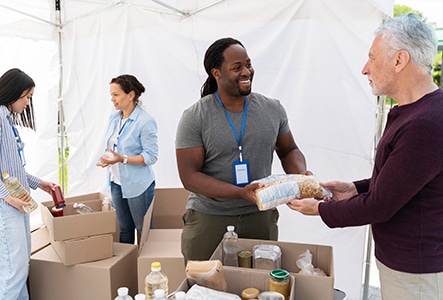
Food banks exist to support people, not judge them. The volunteers who run them understand that anyone can face financial hardship. They are there because they care and want to help you.
2. Know That You’re Not Alone
Food bank use is far more common than many people realise. A government report found that 3% of the UK population used a food bank in 2022/23. That’s millions of people, including families, students, and pensioners. You are not the only one in this situation.
3. Keep Your Visit Private
If privacy is a concern, consider these options:
- Use a referral service – Many food banks require a referral from a GP, social worker, or Citizens Advice. This can be done discreetly.
- Ask about quieter times – Some food banks have specific hours that are less busy, so less chance of bumping into someone you know.
- Check for delivery options – Some food banks can deliver food parcels to those unable to collect them.
4. Reframe How You Think About Help
It can be hard to accept help, but consider this:
- If a friend or family member needed help, you wouldn’t judge them.
- This is temporary – food banks are there to help you through difficult times, not forever.
5. Talk to Someone About How You Feel
If embarrassment is stopping you from using a food bank, talk to someone you trust. A friend, family member, or support worker can help you work through your feelings and reassure you that seeking help is the right choice.
How Food Banks Work and What to Expect
If you’ve never used a food bank before, not knowing what to expect can add to your anxiety. Here’s a simple breakdown:
- Getting a referral – Many food banks require a referral from a professional, such as Citizens Advice, a GP, or a social worker.
- Attending the food bank – You’ll be greeted by volunteers who will guide you through the process.
- Receiving a food parcel – Parcels typically contain enough food for three days, including essentials like pasta, rice, canned goods, and toiletries.
- Additional support – Some food banks also offer budgeting advice, job support, and social services.
Food banks are safe, welcoming spaces designed to support you, not judge you.
Ways to Move Forward After Using a Food Bank
If you still feel uncomfortable about needing help, think about how you can move forward:
- Look at support services – Many food banks offer advice on benefits, housing, and employment.
- Plan for the future – If possible, set small financial goals to regain stability.
- Give back when you can – If using a food bank helped you, consider donating or volunteering in the future once you are back on your feet.
What should I do if I feel embarrassed about using a food bank?
If you feel embarrassed about using a food bank, remember that needing help is not a failure. Food banks exist to support people through difficult times, and millions of people rely on them every year. You are not alone. Seeking help is responsible, and there are ways to make the experience easier, such as visiting at quieter times, using a referral service, or reframing how you think about support. This is a temporary situation, and you deserve access to food and help when you need it.
Did you have another question about food banks? See all our FAQs.
More food bank insights and news


Food bank frequently asked questions
Local food banks...
A few of the local food banks listed on foodbanks.co.uk. Browse all food banks