
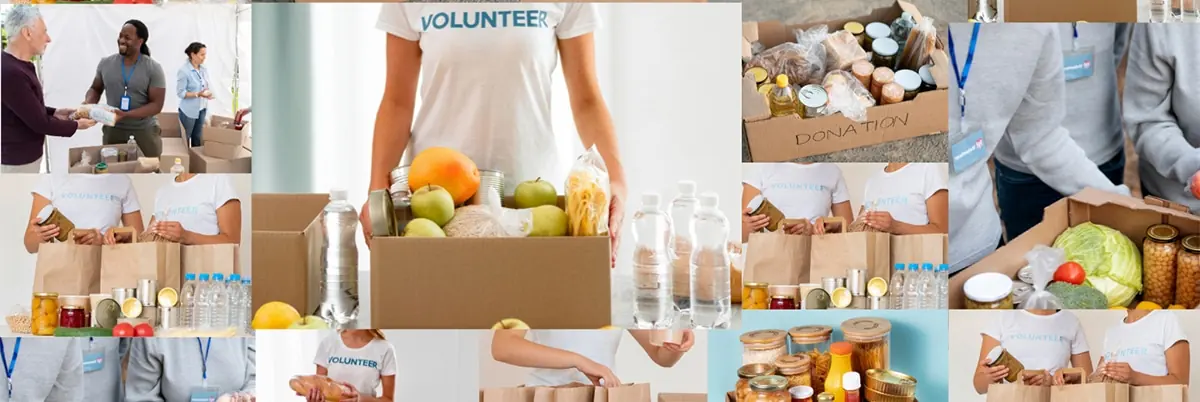
What’s in an emergency food parcel?
An emergency food parcel provided by food banks in the UK typically contains a selection of non-perishable, long-life food items designed to last for three days. The contents are carefully chosen to provide balanced nutrition and meet the basic needs of individuals or families in crisis. 'What’s in an emergency food parcel?'. While the exact items may vary by location and availability, the following is a general guide to what you can expect in an emergency food parcel.
Standard Items in an Emergency Food Parcel
- Staple Foods
- Tinned Foods:
- Vegetables (e.g., peas, carrots, sweetcorn).
- Fruits (e.g., peaches, pineapple, pears).
- Meat or fish (e.g., tuna, corned beef, chicken in sauce).
- Dried Foods:
- Pasta, rice, or noodles.
- Instant mashed potatoes.
- Breakfast Cereals:
- Porridge oats or boxed cereals.
- Tinned Foods:
- Cooking Essentials
- Sauces: Pasta or curry sauces to create meals.
- Stock Cubes: For soups or stews.
- Beverages
- Tea bags.
- Instant coffee.
- Long-life UHT milk.
- Snacks and Treats
- Biscuits.
- Chocolate or sweets.
- Basics for Cooking and Baking
- Sugar.
- Tinned tomatoes or baked beans.
Items for Special Dietary Needs
Food banks often cater to dietary requirements if they are informed in advance. Special items may include:
- Gluten-free options (e.g., pasta or bread substitutes).
- Dairy-free products (e.g., plant-based milk).
- Halal or kosher items.
- Vegetarian or vegan-friendly options.
Non-Food Essentials (If Available)
Some food banks also include non-food items in emergency parcels, depending on donations and resources:
- Toiletries: Soap, toothpaste, shampoo, and sanitary products.
- Cleaning Supplies: Washing-up liquid or detergent.
- Baby Products: Nappies, baby wipes, and baby formula.
Portion Sizes and Household Considerations
Emergency food parcels are tailored to the size of the household:
- Single Person: Smaller portions with an individual’s needs in mind.
- Families: Larger parcels to accommodate multiple people, often including items suitable for children.
Seasonal Additions
During holidays or winter months, food banks may include:
- Festive treats like mince pies or Christmas puddings.
- Warming foods like soups and stews.
Nutritional Focus
Food parcels aim to include a balance of:
- Carbohydrates: Rice, pasta, or cereals for energy.
- Proteins: Tinned meat, fish, or beans for muscle repair and growth.
- Fibre: Vegetables, fruits, and wholegrains for digestion.
- Fats: Cooking oils or tinned fish for essential fatty acids.
Items That Are Typically Excluded
To ensure safety and practicality, food parcels usually do not include:
- Fresh or perishable items (e.g., fresh fruit, vegetables, or dairy products).
- Homemade food, due to food safety regulations.
- Large or heavy items that are difficult to carry.
How to Ensure You Get the Right Items
- Inform the Food bank of Dietary Needs: Let them know if you have allergies or specific requirements.
- Bring Your Referral Voucher: This ensures the parcel is tailored to your situation.
- Ask About Additional Support: Some food banks provide supplementary items if needed.
So, what’s in an emergency food parcel?
It typically includes non-perishable food items like tinned vegetables, pasta, rice, cereals, sauces, and beverages, with portions tailored to household size. Food banks strive to include a balance of nutrients and may cater to special dietary needs when informed. Some parcels also include toiletries and household essentials if available.
Did you have another question about food banks? See all our FAQs.
More food bank insights and news


Food bank frequently asked questions
Local food banks...
A few of the local food banks listed on foodbanks.co.uk. Browse all food banks
Black Country Food Bank (Halesowen Road)
Halesowen Road, Cradley Heath, B64 6JA
3food4u Food Bank (High Road Bruce Grove)
454A High Road Bruce Grove, London, N17 9JD
Sheffield S6 Food Bank (Shirecliffe Community Centre)
Shirecliffe Community Centre, 349 Shirecliffe Rd, Sheffield, S5 8XL