What's the difference between a food bank and a food shelter in the UK?
Food insecurity is something no one should have to face, yet it's increasingly common. If you're asking, What's the difference between a food bank and a food shelter in the UK?, this article clearly outlines the roles of these essential services, ensuring you know where to get support or how you can lend a hand as a volunteer or donor.
What Is a Food Bank?
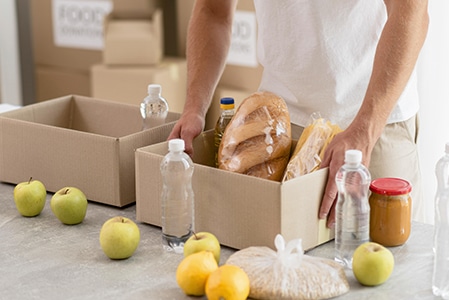
A food bank is a place that provides emergency food parcels to people facing financial hardship. Food banks give essential food to take home and prepare meals. They are often run by charities like the Trussell Trust or the Independent Food Aid Network (IFAN).
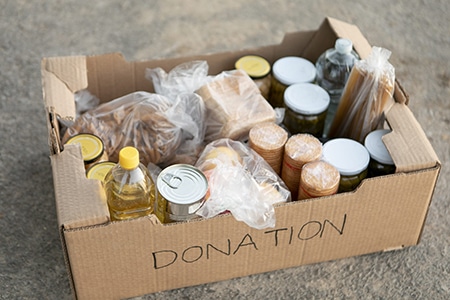
Typically, you need a referral from a professional, like a social worker, GP, or Citizens Advice, to use a food bank. Referrals ensure that emergency food parcels go to people genuinely facing urgent situations, such as unexpected expenses, illness, delays in benefits, or unemployment. Typical food parcels include essentials like tinned foods, cereals, pasta, rice, and long-life milk.
How Food Banks Operate
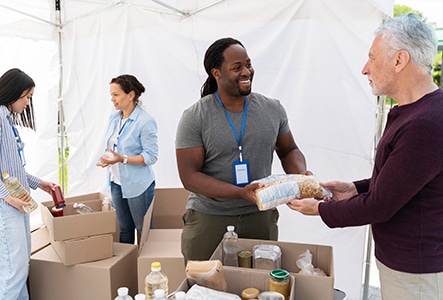
When you arrive at a food bank, you’ll usually have a brief conversation with volunteers to understand your needs. They then give you a parcel that suits your household and dietary needs. Many food banks, like those operated by the Trussell Trust, also offer advice services, helping users resolve the longer-term causes of food insecurity.
In 2023/24, the Trussell Trust supplied 3.12 million emergency food parcels across the UK, highlighting the critical role food banks play as financial pressures continue to rise.
What Is a Food Shelter?
A food shelter, often known as a soup kitchen, provides hot meals rather than food parcels. Unlike food banks, food shelters don’t require a referral and are available to anyone in need, offering immediate, cooked meals. Shelters operate from community centres, churches, and dedicated charity buildings.
Organisations like FoodCycle and FareShare run these shelters, aiming to provide nutritious meals and build community connections. Volunteers prepare and serve fresh meals from surplus or donated food. In 2023, FoodCycle alone served 217,000 meals to people across the UK.
How Food Shelters Operate
Visiting a food shelter is straightforward. You don’t need referrals or any paperwork. Just turn up during their operating hours, and volunteers will serve a hot meal. Besides providing food, shelters often offer social interaction, emotional support, clothing, and practical advice.
Clear Differences Between Food Banks and Food Shelters
Food Banks:
- Require a professional referral
- Provide parcels of mostly non-perishable food
- Intended as temporary, crisis support
Food Shelters:
- No referral needed
- Provide hot, ready-to-eat meals
- Offer ongoing, community-based services
Who Typically Uses These Services?
Food banks generally support people facing short-term financial emergencies. Food shelters often support those experiencing homelessness or those who can’t prepare food themselves due to disabilities, health issues, or ongoing economic hardship.
How Can You Help?
If you want to help, food banks and shelters always need volunteers, food donations, or financial contributions. Even small donations can help sustain these vital services, providing food and support for people who need it most.
What's the difference between a food bank and a food shelter in the UK?
Simply put, a food bank provides emergency food parcels with a referral, while a food shelter offers immediate hot meals without any referral.
Food banks offer emergency parcels via referrals, while food shelters provide hot meals without referrals. Know where to seek or offer help effectively.
Did you have another question about food banks? See all our FAQs.
More food bank insights and news

Food bank frequently asked questions
Local food banks...
A few of the local food banks listed on foodbanks.co.uk. Browse all food banks